
Classic cartoons and digital webtoons share a lot of techniques in common, including recognizable silhouettes, purposeful exaggeration, ending on cliffhangers, making animals and objects act human, and emphasis on jokes. This article explores all of these aspects in detail.
In This Article:
Recognizable Silhouettes in Classic Cartoons and Webtoons
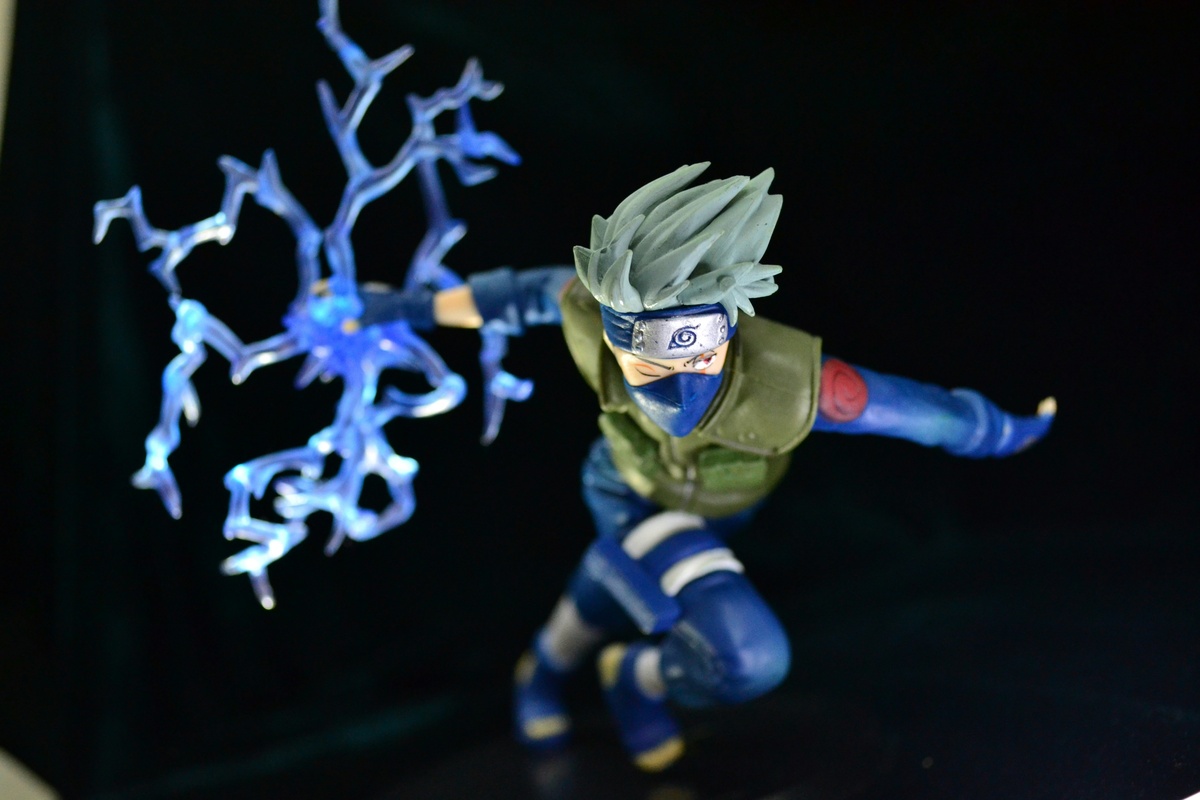
One similarity between classic cartoons and digital comics is the use of recognizable silhouettes. Popular characters can be easily recognized even by their shadows, such as Batman’s ears or Popeye’s arms.
Webtoons also actively use this rule. Artists give their characters unique hairstyles, distinct outfits, and bold shapes to attract your attention. We can consider a comics example by looking at a story from the Honeytoon manhwa site with mature storylines, Cinderella Chef. The main male character has a long ponytail, which falls far below the shoulders. This creates the strongest silhouette cue. Large side bangs framing the face also make the character recognizable.
The reason why both cartoon and comic creators rely on recognizable silhouettes is the distinctiveness effect. According to the American Psychological Association, this is the finding that people tend to have superior memory for odd or unusual information. For example, if most words in a list are printed in blue and only one is red, the red word is likely to be remembered. Because it stands out from the surrounding items, it naturally draws more attention and becomes easier to recall.

Why Exaggeration Matters in Cartoons and Webtoons
Cartoonists and webtoon artists always rely on purposeful exaggeration. Here is what creators usually choose to exaggerate:
Features that reveal personality at a glance (posture, head proportions, hands, or facial structure).Elements that immediately identify a character’s role (armor shape, goggles, uniforms, or other recognizable accessories).Facial features that enhance emotions (eyes, eyebrows, and mouth).
By exaggerating a movement, artists can make actions stronger. For example, when a character swings their arm way back before making a move. A larger fist at the moment of impact or a dramatic reaction from another character can make the action feel more powerful.
One excellent example of feature exaggeration is Gru from the popular Despicable Me cartoon. He has absurdly long, spindly legs and a massive upper body. Such visual appearance underscores his awkward, comic-villain vibe. Pinocchio’s nose growing is also a great exaggeration that uses a physical change to represent a character trait.

Why Cartoons and Webtoons Still Rely on Cliffhangers
Cliffhangers tap into our natural curiosity. They make us need to know what happens next. Classic cartoons used to end with “To Be Continued“ messages that made children anticipate the next day to see what happens in their favorite story.
A similar approach has been adopted by webtoons. Many chapters end right when someone is about to confess their love, face a sudden problem, or enter a new scene. That is why the reader immediately wants to continue the flow of the story.
Cliffhangers are actually based on the psychological phenomenon called the Zeigarnik Effect. According to the research, people tend to remember unfinished or interrupted tasks better than completed ones. When a story ends on an unresolved moment, the mind naturally keeps returning to it, looking for a conclusion.
How Cartoons and Webtoons Make Animals and Objects Act Human
Old cartoons are famous for talking animals. Excellent examples include Remy from Ratatouille, Donkey from Shrek, Scar from The Lion King, Dug from Up, and Dory from Finding Nemo.
Animals in cartoons and comics often have human traits, emotions, and personalities, which makes them relatable. It not only makes them instantly likable but also teaches important lessons. They are also more flexible and adaptable than human beings, which is good for storytelling.
The same idea appears in digital comics and webtoon discussions. Online communities around platforms such as HoneyToon often talk about how character design, animal companions, and expressive side characters make stories easier to remember.

Humor Remains in Cartoons and Webtoons
According to Grand View Research, comics are popular across different audiences because they combine art, storytelling, and memorable characters. Humor has always been one of the strongest tools in visual stories, from classic cartoons to modern digital comics.
Jokes are frequently used in cartoons and webtoons to help viewers recall characters. Exaggerated facial emotions, unexpected circumstances, and humorous reactions make it easier for viewers to relate to stories and enjoy brief episodes.
Humor may also enhance mood and help focus, according to research. This explains why simple jokes, hilarious character moments, and visual comedy remain key features of cartoons and comics even when storytelling styles evolve.
There are different ways creators use humor in visual storytelling:
Character humor. A funny personality trait, repeated mistake, or unusual habit can make a character instantly recognizable. Situation humor. Unexpected events or misunderstandings create memorable scenes.Visual humor. Expressions, movements, and exaggerated reactions can make jokes work even without much dialogue.
Modern humor researchers say these approaches often work together to create multiple layers of entertainment.
Frequently Asked Questions
How is a cartoon different from a comic?
Cartoons usually focus on short and self-contained humor, while digital comics often develop longer stories with more space for character growth and complex themes. The distinction is flexible, and many works combine elements of both formats. One such example is The Watchmen by Alan Moore and Dave Gibbons.
What is “squash and stretch“ and do cartoons and webtoons use it?
Squash and stretch is an animation principle that changes a hero’s shape to emphasize movement, weight, and emotion. A character compresses during impact or pressure (squash) and elongates during fast movement or release (stretch). The technique also strengthens emotional expression. Exaggerating facial features or body proportions helps communicate feelings such as joy, surprise, fear, or excitement more clearly.
Why do characters always wear the same clothes?
It builds a visual brand and saves time. Just like Popeye always wears his sailor suit, webtoon characters often stick to one iconic outfit per arc. One such example is the Cinderella Chef story on Honeytoon, where the main male character always wears layered kimono-style robes that make him easily recognizable.
Why These Cartoon Techniques Still Matter
Classic cartoons and digital comics rely on many of the same storytelling techniques. Both use clear hero silhouettes, exaggeration, cliffhanger endings, anthropomorphic characters, and humor to make stories more engaging and memorable. This makes them popular among both younger and older audiences.