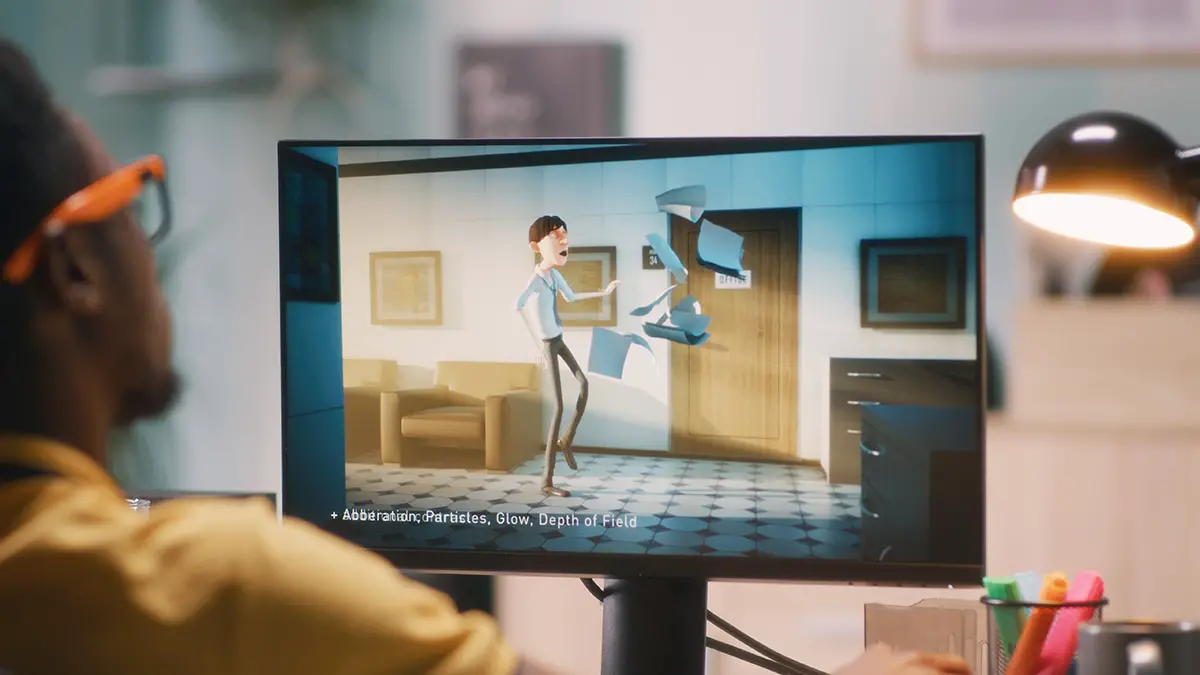

Animation is movement with purpose. Characters jump, objects fly, scenes change in a blink. Sound gives those moments weight. Without it, motion feels flat. With it, every action lands. Whooshes are one of the most powerful tools in animated sound design. They are short. They are subtle. They guide the viewer’s ear exactly where the eye is going. Creators often focus first on visuals. That makes sense. Animation is visual by nature. Still, the moment sound enters the frame, everything changes. Timing sharpens. Energy rises. The story feels intentional instead of silent.
In This Article:
Understanding the role of motion sound in animation
Motion sound supports what the audience already sees. A fast movement calls for a fast sound. A soft transition needs something gentle. When these elements align, the brain accepts the movement as real, even in the most stylized cartoon. Animated shows and films use whooshes constantly. Scene transitions glide instead of cut. Camera moves feel smooth. Character actions gain rhythm.
Good motion sound does not demand attention. It works in the background, shaping perception. Viewers may not notice it directly, but they feel it instantly when it is missing.
Why animation feels incomplete without whooshes
Silence between cuts can feel awkward. Hard visual jumps can break immersion. Whooshes solve both problems. Transitions become fluid. Movement feels intentional. The story keeps flowing. Editors rely on these sounds to hide cuts, enhance pacing, and support comedic timing. Animators use them to sell exaggeration. A stretch, a squash, a spin. Each action becomes clearer with the right sound cue. Energy builds when motion and sound lock together. This is how cartoons stay engaging, even during fast sequences.
Practical uses of whooshes in cartoons and motion design
Every animated project has moments where motion needs emphasis. Whooshes sound effects fit naturally into many situations.
Scene changes benefit from soft sweeps that guide the viewer forward. Character entrances gain impact with short, directional bursts. Text animations feel sharper when motion is reinforced by sound. Explainer animations use whooshes to maintain momentum. Educational cartoons use them to keep attention high. Comedy relies on them for timing and punch. Used correctly, these sounds never overpower dialogue or music. They sit perfectly in the mix, doing their job quietly and effectively.
Choosing the right whoosh for the right movement
Different movements call for different sounds. Light actions work best with soft textures. Strong transitions need deeper tones. Matching sound to motion keeps animation consistent and believable.
Fast edits benefit from short, clean sounds. Larger visual changes require longer sweeps. Stylized animation often feels stronger when sound reflects its visual personality. Listening critically matters. A sound that feels too heavy or too thin can distract from the story instead of supporting it.
How sound shapes pacing and viewer attention
Sound directs focus. A well placed motion sound tells viewers where to look next without explanation.
Pacing improves when sound supports movement instead of reacting to it. Scenes feel connected rather than stitched together. This is especially important in short form animation, where every second counts and attention spans are limited. Sound design becomes part of the storytelling rhythm rather than a technical afterthought.
Building a faster workflow with ready to use sound assets
Creative momentum matters. Searching endlessly for sound slows production and breaks focus. Organized sound libraries allow creators to work instinctively. Sounds drop into timelines easily. Timing adjustments remain quick. Projects move forward without unnecessary interruptions. Consistency also improves. Using sounds designed for motion helps animations feel cohesive from beginning to end.
Learning sound design through animation practice
Animation provides a clear environment for learning sound design. Movements are intentional. Feedback is immediate.
Testing different whooshes shows how sound changes perception. Small adjustments in tone or length can completely alter how a scene feels. This experimentation builds confidence and sharpens creative instincts. Over time, sound placement becomes intuitive instead of technical.
Making sound part of your creative identity
Strong animation develops a recognizable feel. Sound contributes directly to that identity. Consistent motion sounds help define style. Audiences may not describe it, but they sense it. Projects feel polished, confident, and complete. Sound choices become as meaningful as character design and color selection.
Common mistakes animators make with motion sound
Overusing motion sound can overwhelm a scene. Underusing it can leave motion feeling empty. Balance matters. Another common issue is mismatched tone. A playful animation paired with aggressive sound breaks immersion. Sound should always reflect the mood of the visuals.
Careful listening and restraint lead to better results.
Final thoughts on elevating animation with sound
Animation depends on motion. Sound gives that motion meaning. Whooshes may seem small, yet they shape pacing, guide attention, and connect scenes into a smooth experience. Creators who treat sound as part of storytelling see immediate improvement in their work.
The right sound, placed at the right moment, changes how animation is felt.